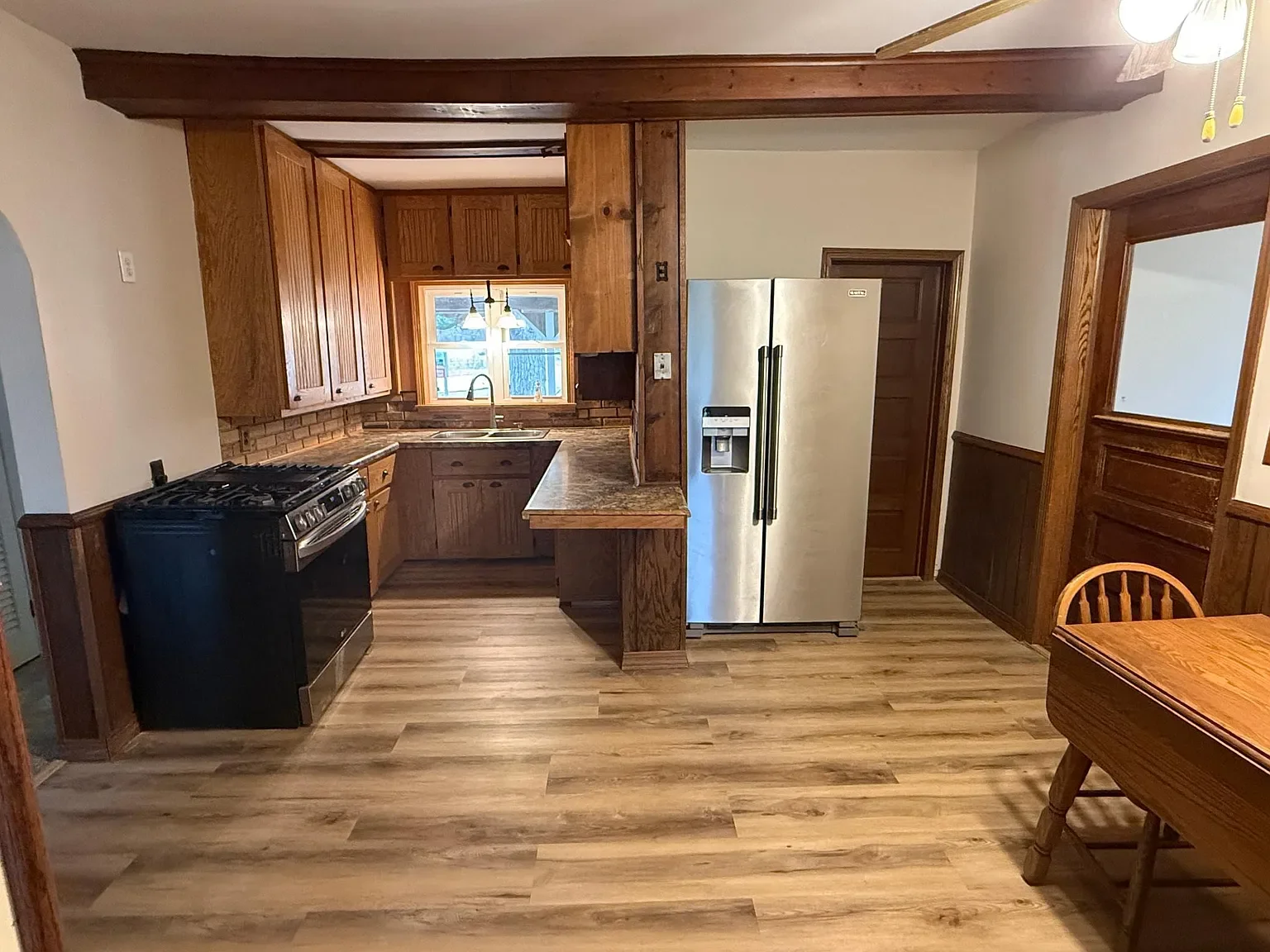
Buying This Home With Owner Financing — What to Know
Owner financing (also called seller financing) lets you buy this property directly from the seller without going through a traditional bank. Instead of a mortgage lender approving your loan, the seller carries the financing: you agree on a purchase price, a down payment, an interest rate, and a monthly payment schedule, then pay the seller directly over time. It's one of the most flexible paths to homeownership available — and for buyers who've been turned away by banks, it's often the only door that stays open.
Why buyers choose owner-financed homes
The appeal is straightforward: no bank approval, faster closings, and terms you negotiate directly with a real person instead of a credit algorithm. Many owner-financed deals close in a matter of weeks rather than the 45–60 days a conventional mortgage typically takes, because there's no lender underwriting to wait on. And because the seller sets the criteria, buyers with bad credit, no credit history, or self-employment income frequently qualify when a bank would say no.
- No bank required — the seller is the lender, so there's no mortgage application or credit committee.
- Flexible terms — down payment, interest rate, and monthly schedule are all negotiable between you and the seller.
- Bad credit welcome — approval is based on your full picture, not just a score. Some sellers do no credit check at all.
- Faster to close — no lender underwriting means you can often move in sooner.
- Buy now, refinance later — many buyers use owner financing as a bridge, then refinance into a traditional loan once their credit improves.
What to check before you make an offer
Owner financing is a genuine opportunity, but it rewards buyers who go in prepared. Before you commit to any seller-financed home, verify that the seller actually owns the property free of undisclosed liens, insist on closing through a licensed title company with title insurance, and read every term of the promissory note and mortgage carefully. Watch for balloon payments, confirm there's no prepayment penalty if you plan to refinance, and understand exactly what happens if a payment is ever late. A real estate attorney should review the paperwork before you sign — it's a small cost that protects a very large decision.
How to approach the seller the right way
Finding the right home is only half the job. The moment you contact a seller about owner financing is where deals are won or lost — and where scam-minded sellers try to take advantage of unprepared buyers. Knowing what to say, which terms to ask for, how to present your down payment and income, and how to spot a dishonest seller before you're in too deep is what separates buyers who land their dream home from buyers who get burned or lose the deal entirely. That preparation is exactly what the Ready-to-Offer Kit is built to give you.